Your home's roof is your first line of defense against Mother Nature's fury, yet many homeowners overlook subtle signs of roof damage until they escalate into serious problems. From missing shingles after high winds to water stains creeping across your ceiling, understanding the early warning signs of roof damage can help prevent extensive damage and costly repairs. Whether you live in cold climates prone to ice dams or areas frequently hit by severe storms, regular inspections, and timely roof repairs are crucial for maintaining your roofing system's integrity. This comprehensive guide will walk you through the top 10 signs that indicate your home's roof may need professional attention, helping you protect your investment and ensure your peace of mind through all seasons.
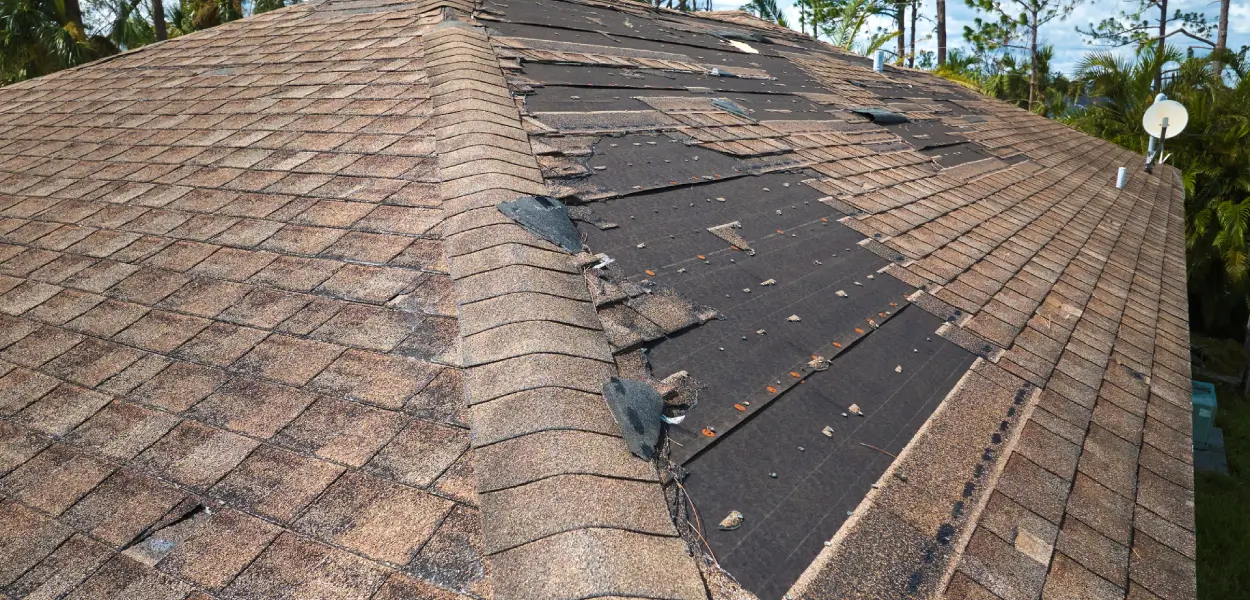
Your asphalt shingles are your roof's armor against severe weather, making them one of the most crucial roofing materials to monitor. After strong winds or hail storms, inspect your roof for shingles that are cracked, curling, buckling, or missing entirely. Pay special attention to dark spots or areas where granule loss is evident – these bare patches can accelerate your roof's deterioration. While minor issues with a few shingles might seem negligible, they can quickly lead to water intrusion and further damage that could compromise your entire roofing system. Professional roofers often note that small damage left unaddressed often leads to significant structural damage requiring a full roof replacement rather than simple repairs.
Finding small, dark granules collecting in your gutters or scattered on the ground around your home's foundation is a clear sign of roof damage that shouldn't be ignored. These protective granules shield your asphalt shingles from harmful UV rays and severe weather, and their presence on the ground indicates your roof's natural defense system is wearing away. While some granule loss is normal as the roof ages, excessive granule loss – especially from newer roofing shingles – could signal improper installation or significant damage from a recent hail storm. The texture of your shingles might even feel smooth rather than slightly gritty, a tell-tale sign that it's time for a thorough inspection by a professional roofing contractor. Without these crucial granules, your shingles can deteriorate rapidly, leading to water leaks and potentially extensive damage that could affect your home's structural integrity.
Flashing – those metal pieces installed in your roof's most vulnerable areas – plays a critical role in directing water away from joints and transitions in your roofing system. When flashing becomes loose, rusted, or goes missing after high winds, it creates entry points for water intrusion. Common problem areas include valleys (where two roof slopes meet), around chimneys, and near skylights. During severe storms, compromised flashing can allow water to seep beneath your roofing materials, potentially causing serious problems like rotted roof sheathing and mold growth. What might start as a small leak can quickly escalate into major structural issues, making immediate repairs of the highest importance for protecting your home's integrity.
The metal flashing around your chimney is particularly vulnerable to corrosion and rust, making it one of the common causes of roof damage. When chimney flashing deteriorates, it creates a direct pathway for water to enter your home where the roof and chimney meet. This intersection is especially problematic in cold climates, where freeze-thaw cycles can accelerate damage and lead to ice dams. Professional roofers often identify rusted chimney flashing as a sign of more extensive roof damage lurking beneath the surface. If you notice rusty streaks down your chimney, dark spots on nearby shingles, or any separation between the flashing and chimney, it's a good idea to schedule a thorough inspection before small leaks turn into structural damage requiring more extensive repairs.
Your gutter system is crucial for proper roof drainage, and when gutters begin to rust or pull away from your home, it's more than just an aesthetic issue. Compromised gutters can cause water to back up under roofing materials, leading to rotted roof decking and damage to your home's fascia boards. During heavy rain or severe storms, overflowing gutters can direct water where it shouldn't go, potentially causing water damage to your foundation. Ice dams are also more likely to form when gutters aren't functioning properly, especially in colder climates. Regular maintenance and prompt attention to rusted or sagging sections can prevent the need for major repairs to both your roofing system and your home's structural elements.
Your soffit system – those panels under your roof's overhang – plays a vital role in the proper ventilation of your roofing system. When soffits become clogged with debris, damaged by small animals, or compromised by moisture buildup, they can't effectively regulate attic temperature and humidity. This ventilation failure often leads to serious problems like premature aging of roofing materials, excessive moisture accumulation, and higher energy costs. Professional roofing contractors frequently discover that clogged soffits have contributed to mold growth and wood rot in the roof sheathing, issues that could have been prevented through regular inspections and necessary repairs. In areas prone to severe weather, compromised soffits can also allow wind-driven rain to penetrate your roof's structural components.
Plumbing vent boots – the rubber or metal components sealing your roof's plumbing pipes – are common failure points in roofing systems. When these boots crack, deteriorate, or become loose due to severe storms or natural aging, they create entry points for water leaks that can cause extensive damage to your home's interior. The rubber gaskets are particularly susceptible to damage from harsh weather conditions and UV exposure, making them a crucial checkpoint during roof inspections. While replacing a damaged boot might seem like a minor repair, neglecting this small issue can lead to significant water intrusion, requiring more extensive repairs to both your roofing materials and interior ceiling.
The intersection where your roof meets exterior walls is a critical juncture that often reveals early signs of roof damage. When you spot mold or dark spots in these areas, it's typically a sign of water intrusion from improper flashing, damaged shingles, or ice dams in cold climates. Professional roofing contractors recognize this pattern as a serious red flag that requires immediate attention. Left unchecked, this moisture problem can spread into your home's structural components, compromising both your roofing system and wall integrity. During severe weather events, these weakened areas are particularly vulnerable to further damage from high winds and heavy rain.
The appearance of mold on exterior walls often indicates a failing roofing system above. When water isn't properly channeled away from your home by your roof and gutters, it can saturate your exterior walls, creating perfect conditions for mold growth. This issue is particularly common after major storms or in homes with aging roofs. While the mold itself is concerning, it's often a symptom of more significant problems within your roofing system that require thorough evaluation by a professional roofer. Regular maintenance and addressing small leaks promptly can prevent these types of extensive damage that might otherwise require significant repairs or even a full roof replacement.
Interior ceiling stains are perhaps the most obvious signs of roof damage, but by the time they appear, water has already breached multiple layers of your roofing system. These water stains, which often appear as yellowish or brownish spots, can indicate various roofing problems – from damaged shingles to failing flashing or even structural damage. While some homeowners might be tempted to simply paint over these stains, this approach ignores the underlying issue and can lead to more serious problems, including compromised structural integrity and dangerous mold growth. Professional roofing contractors emphasize that ceiling stains should trigger immediate action to identify and repair the source of the leak before further damage occurs.
When it comes to protecting your home's first line of defense, being proactive about roof damage can save you thousands in repairs and provide invaluable peace of mind. While some signs of roof damage are obvious, others require a closer look and regular inspections to catch early. Insurance companies often require documentation of regular maintenance and prompt repairs to honor homeowner's insurance policy claims, making it even more crucial to stay vigilant about your roof's condition. Whether you notice missing shingles after strong winds or spot suspicious stains on your ceiling, consulting with a professional roofing contractor for a thorough inspection can help determine the extent of the damage and necessary repairs. Remember, small issues can quickly escalate into serious problems, especially after severe storms or extreme weather events. By understanding and monitoring these common signs of roof damage, you can protect your investment and ensure your home remains safe and secure through all seasons and weather conditions.
Don't wait until minor roof damage becomes a major problem. If you've noticed any of these warning signs or it's been more than a year since your last roof inspection, contact Adams & Sons Roofing today. Our experienced team of professional roofers in Atlanta specializes in thorough roof inspections, timely repairs, and complete roof replacements when necessary. Call us to schedule your comprehensive roof inspection and get the peace of mind you deserve. Our experts are ready to help protect your home with quality roofing solutions backed by years of trusted service in the Atlanta area.