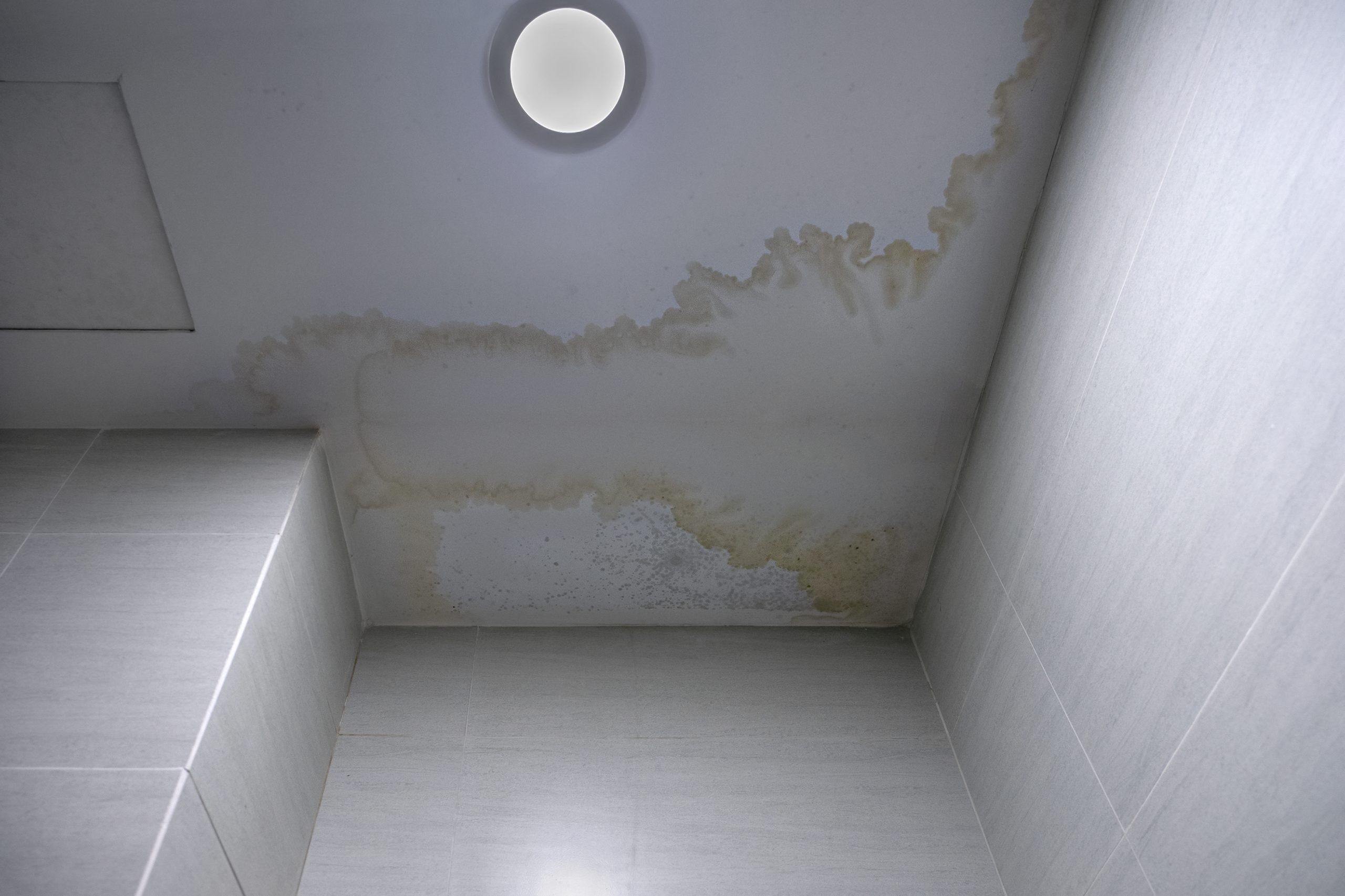
When you discover water staining your ceiling or dripping into your home, one of your first questions is likely: does home insurance cover roof leaks? The answer isn't always straightforward, and understanding what your policy covers can save you thousands of dollars and prevent claim denials.
For Gwinnett County homeowners, knowing the difference between covered and non-covered roof leak repairs is essential, especially given our area's exposure to severe weather, including hailstorms, high winds, and heavy rainfall.
Most standard homeowners insurance policies operate on a simple principle: they cover sudden, accidental damage but not gradual deterioration or maintenance issues.
Your insurance typically WILL cover roof leaks caused by:
Your insurance typically WON'T cover roof leaks caused by:
The key distinction is whether the damage was sudden and unexpected or whether it resulted from a lack of proper maintenance. Insurance companies expect homeowners to maintain their roofs in good condition.
Your roof's age plays a significant role in how insurance companies handle leak claims. Many insurers in Georgia have specific policies about older roofs:
If your roof is under 10 years old, most insurance companies will cover sudden damage and pay for repairs or replacement at full replacement cost value. For roofs between 10-20 years old, you may still receive full coverage, but expect more scrutiny during the roof insurance claims process. The adjuster will look closely at whether proper maintenance was performed.
For roofs over 20 years old, many policies switch to actual cash value coverage, meaning they'll depreciate the roof's value based on age. Some insurers may even require a roof inspection before renewing your policy or may deny coverage entirely for older roofs.
Gwinnett County experiences weather patterns that commonly cause roof damage. Understanding how these events relate to your coverage is crucial.
Taking the right steps immediately after discovering a leak can make the difference between a successful claim and a denial.
Document everything thoroughly:
Take reasonable steps to prevent further damage. Your policy requires you to mitigate additional damage. This means placing buckets under leaks, covering holes with tarps, or making temporary repairs. Save all receipts for these materials, as they're often reimbursable.
Contact your insurance company promptly. Don't wait weeks or months to file a claim. Most policies have specific timeframes for reporting damage, and delays can lead to denials.
Understanding why claims fail helps you avoid these pitfalls:
Lack of maintenance is the top reason for denials. If the adjuster determines your roof wasn't properly maintained, they'll likely deny your claim. This includes missing routine roof inspections, failing to replace damaged shingles promptly, or ignoring obvious warning signs.
Pre-existing damage is another common issue. If the adjuster finds that the leak was already present before the storm or event you're claiming caused it, they'll deny coverage.
Filing too late can also result in denial. Insurance policies have deadlines for reporting damage, typically within one year of the event.
The answer to this question ultimately depends on what caused your leak. Storm damage, sudden accidents, and unexpected events are typically covered. Gradual wear, poor maintenance, and aging materials are not.
The best way to protect yourself is to maintain your roof properly, document its condition regularly, and act quickly when damage occurs.
If you've discovered a roof leak in Gwinnett County, Adams & Sons Roofing can help you assess the damage and navigate the insurance claims process. With over 40 years of experience and GAF certification, we provide detailed documentation and work directly with insurance adjusters to ensure you receive fair treatment.
Contact us today for a free roof inspection and insurance claims assistance. We'll help you understand whether your leak is covered and guide you through every step of the claims process.