When planning a commercial roofing project, property owners quickly discover that pricing varies dramatically based on numerous factors. Understanding "How much does a commercial roof cost?" requires looking beyond a single number to examine the material choices and installation variables that drive the final price.
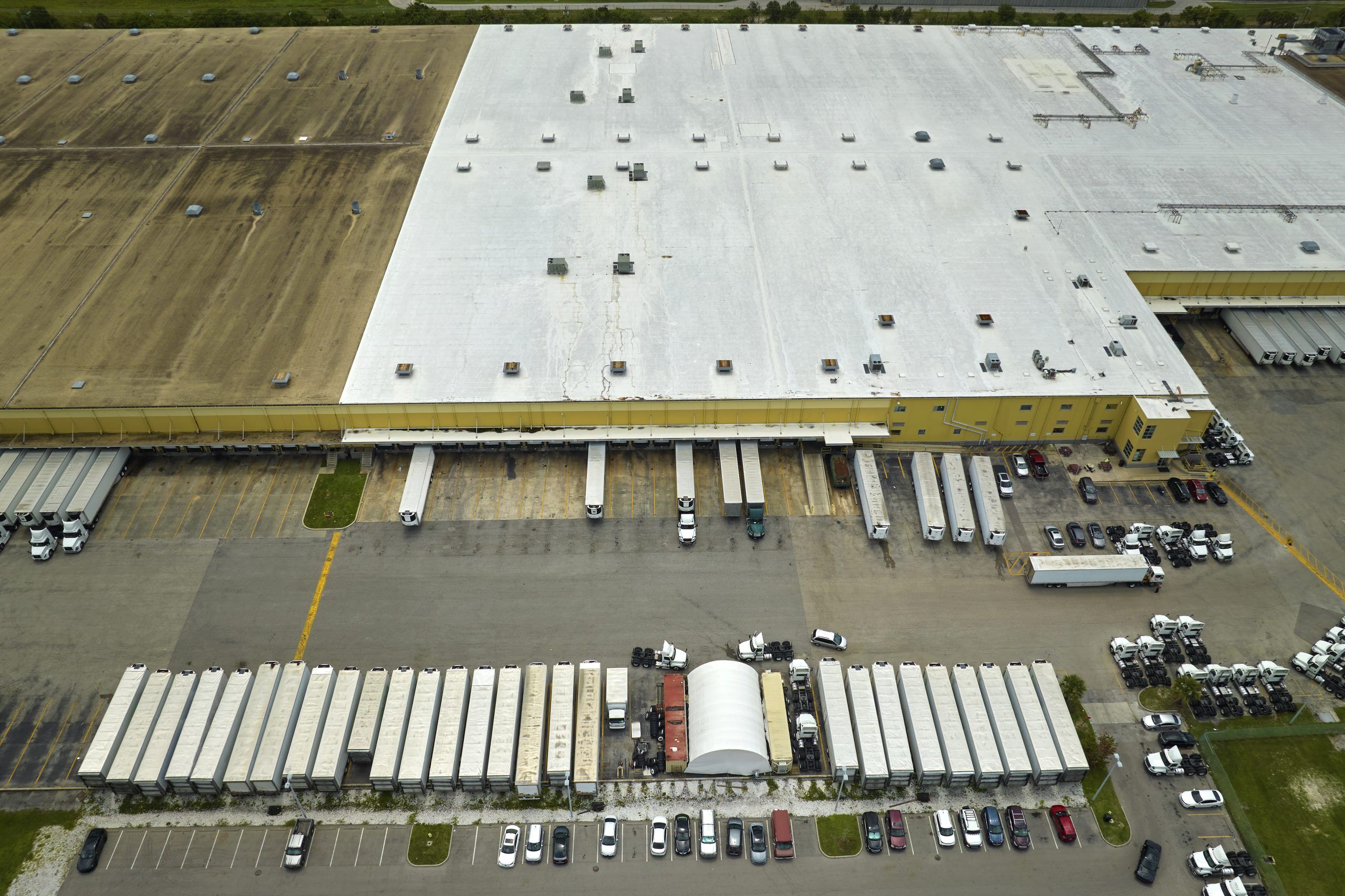
Commercial roofing service costs represent a significant investment for business owners, with projects ranging from $15,000 for small repairs to over $200,000 for complete replacements on larger roofs. The overall cost depends on the type of roofing system, square footage, material choice, and complexity of the roof design.
Square footage stands as one of the most significant factors in determining total project cost. Contractors typically price commercial roofing by the square (100 square feet), with larger roofs often receiving better per-square pricing due to economies of scale. However, the sheer size of your roof still means a higher total cost even with volume discounts.
Different roofing materials carry vastly different price ranges, affecting both material costs and installation methods:
TPO Roofing (Thermoplastic Polyolefin)
EPDM (Ethylene Propylene Diene Monomer)
Built-Up Roofing (BUR)
Metal Roofing
Modified Bitumen
Learn more about the types of commercial roofing systems here → Types of Commercial Roofing Systems Explained: Which One Is Right for Your Property?
The cost of labor varies based on several key factors beyond the type of roofing materials selected. Complex roof designs with multiple levels, intricate designs, or numerous HVAC units require more time and specialized expertise. A full tear-off of the old roof adds significant labor expenses compared to installing a new roof over existing materials, where building codes permit.
Installation methods also impact the cost of the project. Some commercial roofing systems require torch application, while others use adhesives or mechanical fastening. Each approach demands different skill levels and time commitments from your roofing contractor.
Building codes and local regulations affect both material selection and installation procedures. Some jurisdictions require specific fire ratings or wind resistance standards that limit material options and may increase costs. Permitting fees and inspection requirements also add to the total cost of commercial roof replacement.
The best way to approach timing involves understanding how weather conditions impact both pricing and installation. Peak season scheduling often commands premium rates, while off-season projects may offer better pricing. However, certain commercial roofing materials perform better when installed in specific temperature ranges, limiting your flexibility.
Several additional costs affect the final cost beyond basic materials and installation:
Getting an accurate estimate requires more than asking for a price per square foot. A reputable roofing contractor will conduct a thorough inspection of your roof size, assess the complexity of the roof structure, and help you recognize warning signs that indicate replacement is needed before discussing your options.
When evaluating different materials, consider the lifecycle cost rather than just initial costs. Metal roofs and TPO roofing may cost more upfront but offer better energy efficiency and longer lifespans in Georgia's climate than cheaper alternatives. For commercial buildings in areas prone to severe weather, investing in the right roofing material pays dividends through reduced maintenance and longer replacement cycles.
Regular maintenance extends the life of any commercial roofing system, regardless of the type of roofing materials chosen. Property owners who invest in preventive care typically see better returns on their roofing investment.
Understanding the average cost and price ranges for commercial roofing projects helps you budget appropriately, but every property presents unique challenges. The best option for your building depends on your specific needs, budget constraints, and long-term property plans.
Adams & Sons Roofing brings over 40 years of experience to commercial properties throughout Gwinnett County. As a BBB A+ Rated contractor, we provide detailed estimates that break down material costs, labor expenses, and all factors affecting your project. Contact us today for free estimates on your commercial roofing project, and let us help you make an informed decision that protects your investment for years to come.
Related: TPO vs EPDM vs PVC: Which Commercial Roofing Membrane Is Right for Your Sugar Hill Business?