Learning how to fix commercial roof leak problems without major downtime starts with quickly identifying the source of the leak, protecting the building's interior, and scheduling targeted repairs that allow business operations to continue safely.
In the Atlanta area, commercial roofs are exposed to heavy rain, summer heat, humidity, strong storms, and occasional winter freezes that can accelerate roof deterioration and lead to sudden leaks. For office buildings, warehouses, retail centers, industrial facilities, and multi-tenant properties throughout Metro Atlanta, acting quickly can help prevent water damage, operational interruptions, and expensive structural repairs.
Commercial roof leaks can escalate rapidly if left untreated. Even a small leak may spread beneath roofing materials, saturate insulation, damage electrical systems, or create mold concerns inside the building. Fortunately, many commercial roof repairs can be completed strategically and in phases to minimize downtime and avoid shutting down an entire facility.
Atlanta's climate creates unique challenges for commercial roofing systems. Intense UV exposure during the summer, severe thunderstorms, high humidity, and fluctuating temperatures can all contribute to roof damage over time - which is why many property owners in the region invest in weatherproof flat roof protection before leaks develop.
Some of the most common causes of commercial roof leaks include:
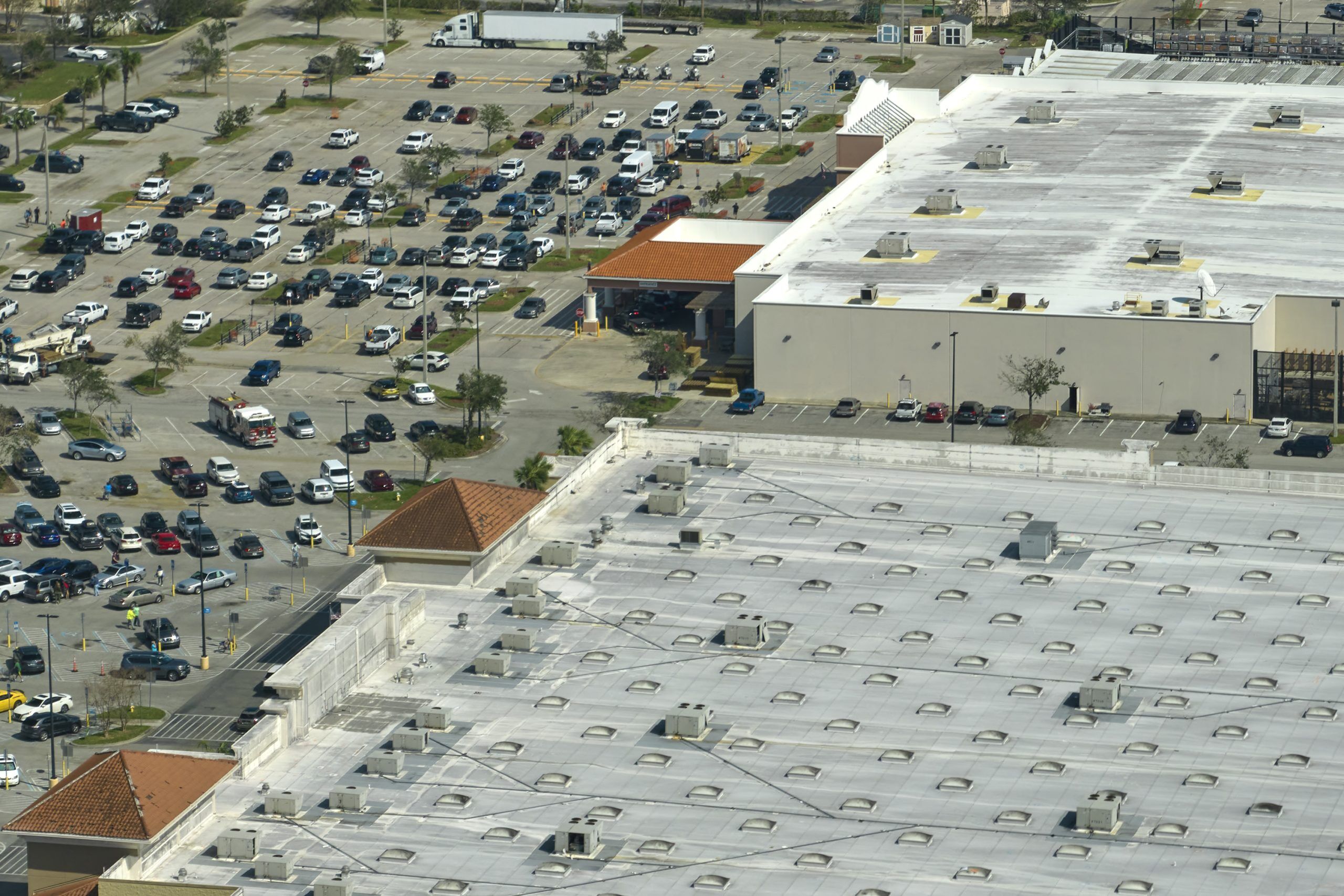
Many commercial buildings throughout Atlanta, Marietta, Alpharetta, Sandy Springs, and surrounding communities use low-slope or flat roofing systems, which can be especially vulnerable to standing water after heavy storms.
Fixing a commercial roof leak properly requires more than simply sealing the visible water entry point. Water often travels beneath roofing materials before appearing inside the building, which is why early leak repair pays off long-term.
The first step is performing a full inspection of the roofing system to determine the true source of the leak. A commercial roofing contractor may inspect:
Advanced inspections may also include infrared moisture scanning to locate trapped moisture beneath the roof surface.
Businesses in the Atlanta area often schedule inspections after severe thunderstorms, tropical weather systems, or hail events to catch hidden roof damage before it worsens.
Before repairs begin, businesses should focus on minimizing interior damage and safety risks.
Temporary mitigation steps may include:
These quick actions can help businesses remain operational while permanent repairs are scheduled.
Learn more about common signs of roof damage: 10 Common Signs You Have Roof Damage
Different commercial roofing systems require different repair methods. Using the wrong materials or repair techniques can shorten the life of the roof and potentially void manufacturer warranties.
TPO roofing systems are common on commercial buildings throughout the Atlanta area because of their energy efficiency and reflective properties. Leaks often occur around seams, flashing, or punctures.
Repairs may involve:
EPDM rubber roofing systems are durable but can develop cracks, shrinkage, or punctures over time.
Repairs typically include:
Commercial metal roofs are popular on industrial and warehouse buildings throughout Metro Atlanta. Leaks often develop around fasteners, seams, skylights, or rusted panels.
Common repair solutions include:
Modified bitumen roofs may develop leaks from cracking, blistering, or seam separation after years of heat exposure and weathering.
Repairs may involve:
For many businesses, shutting down operations completely during roof repairs is not realistic. The good news is that many commercial roof repairs can be completed strategically to limit disruptions.
Commercial roofing contractors often divide repairs into sections so only certain areas are affected at one time.
This approach allows businesses to:
This is especially important for large office buildings, healthcare facilities, schools, retail centers, and industrial properties throughout the Atlanta metro area.
Some repairs can be scheduled during:
Strategic scheduling helps businesses avoid unnecessary interruptions while still addressing roof issues quickly.
For larger projects, contractors may install temporary waterproof barriers to protect the building while phased repairs are completed. These temporary solutions help prevent additional water intrusion during active construction and allow businesses to continue operating safely while repairs are underway.
In the Atlanta area, where sudden thunderstorms and heavy rainfall are common, temporary waterproofing can be especially important for protecting inventory, equipment, office spaces, and production areas from unexpected weather exposure. Contractors may use reinforced tarping systems, temporary membrane coverings, or sealants designed to withstand short-term weather conditions until permanent repairs are finished.
Some roofing problems should never be delayed because they can quickly become safety hazards or lead to larger structural damage.
Warning signs include:
Commercial property owners throughout Atlanta should take these warning signs seriously, especially during storm season when roofing systems are under additional stress.
Commercial roof leaks can quickly interfere with daily operations, create safety concerns, and lead to expensive interior damage if they are not addressed early. In the Atlanta area, frequent storms, humidity, and heat can place significant stress on commercial roofing systems throughout the year.
By identifying leaks quickly, scheduling strategic repairs, and investing in preventive maintenance, businesses can often resolve roofing problems without major downtime or operational shutdowns.
If your commercial property shows signs of a roof leak, scheduling a professional inspection from Adam and Sons can help identify the source of the problem early and prevent more extensive damage later.
Related: What Affects Commercial Roof Repair Costs? A Guide for Gwinnett County Property Owners