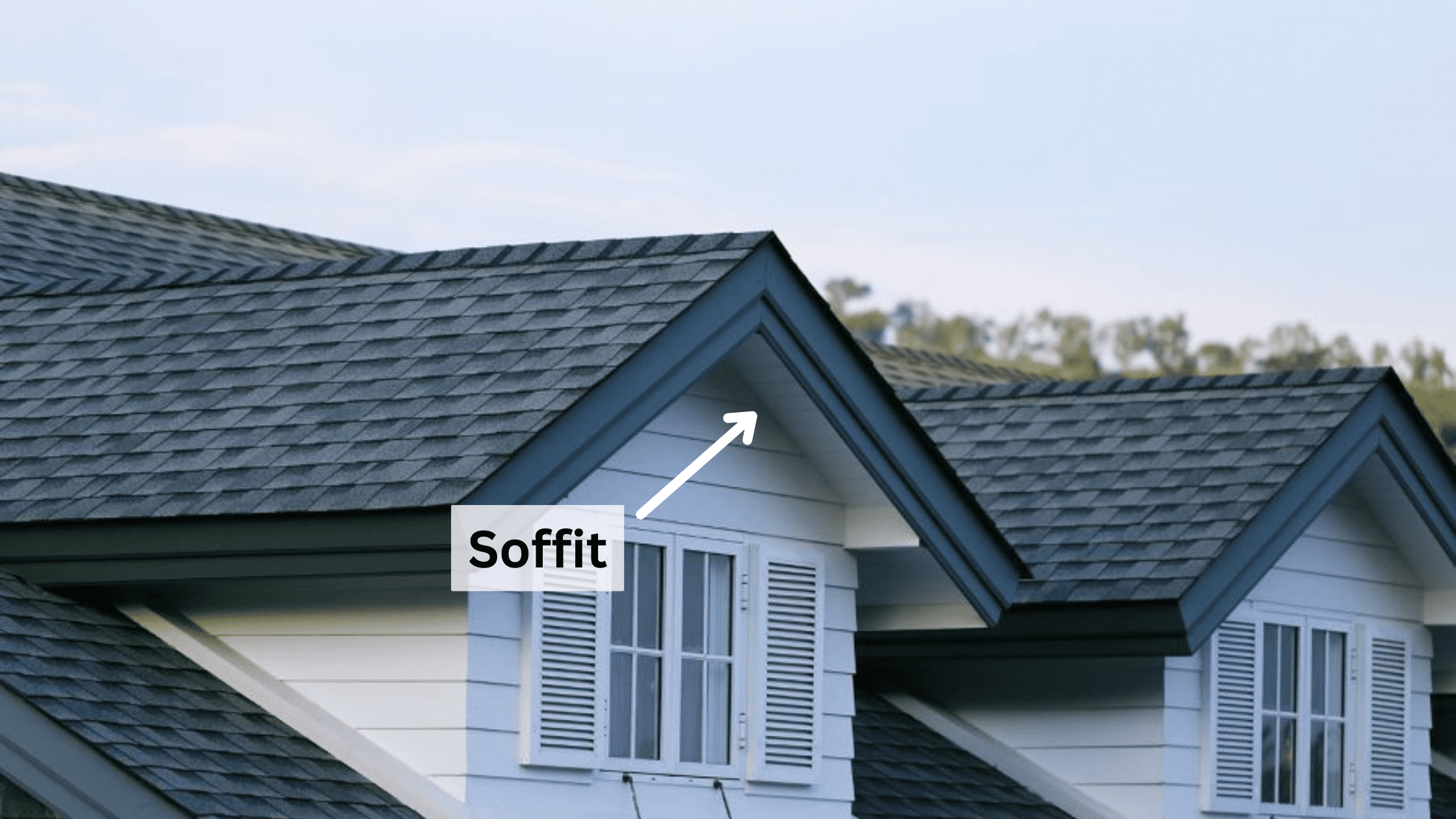
Many homeowners focus on shingles, gutters, and downspouts when thinking about roof maintenance, but there's one critical component that often goes unnoticed: soffits. What are soffits exactly, and why should you care about them?
These unsung heroes of your roofing system play a vital role in protecting your home from moisture damage, pest infiltration, and ventilation problems that could cost thousands in roof repairs.
Soffits are the horizontal panels that span the gap between your roof's edge and the exterior wall of your house. Located on the underside of your roof's overhang, they create a finished appearance while serving multiple protective functions. Think of them as the ceiling of your home's exterior perimeter.
These components work in harmony with other roofing elements to create a comprehensive protection system. While they might seem like simple decorative trim, soffits are engineered to handle several critical tasks that keep your home safe and structurally sound.
Soffits act as a barrier against moisture infiltration, which is particularly important in Georgia's humid climate. Without adequate soffit protection, water can seep into your roof structure, leading to:
The sealed design of quality soffits prevents wind-driven rain from entering vulnerable areas where your roof meets your home's walls.
Many soffits feature perforations or vents that facilitate crucial airflow in your attic space. This ventilation system works by allowing cool air to enter through soffit vents and exit through ridge vents, creating natural air circulation that:
Gaps in your roofline create perfect entry points for various pests, including birds, bats, squirrels, and insects. Well-maintained soffits eliminate these access routes, preventing unwanted visitors from nesting in your attic or causing damage to insulation and wiring.
Vinyl remains popular due to its affordability and low maintenance requirements. These soffits resist moisture well and come in various colors to match your home's exterior. However, they can become brittle in extreme temperatures and may fade over time.
Aluminum options offer superior durability and fire resistance. They're lightweight, don't rot or warp, and maintain their appearance for decades. The main drawback is their higher initial cost compared to vinyl alternatives.
Traditional wood soffits provide excellent insulation properties and can be painted to match any color scheme. They require more maintenance than other materials and need regular inspection for signs of rot or pest damage.
Regular roof inspection checks of your soffits can prevent minor issues from becoming major problems. Watch for these warning signs:
Addressing these issues promptly protects your investment and maintains your home's structural integrity.
Spring and fall represent ideal times for soffit inspection and maintenance. During these seasonal checks, clear any debris from ventilation holes, look for signs of damage, and ensure all sections remain securely attached. Professional inspection can identify problems that untrained eyes might miss.
Regular gutter cleaning also benefits your soffits by preventing overflow that can splash onto these surfaces and cause premature deterioration.
Ignoring soffit problems can lead to expensive consequences. Water damage from failed soffits often requires extensive repairs to roof decking, insulation, and interior surfaces. Pest infiltration can result in contaminated insulation, chewed wiring, and ongoing extermination costs.
Prevention through regular maintenance and timely repairs costs significantly less than dealing with the cascading effects of soffit failure.
While homeowners can perform basic visual inspections, professional evaluation provides comprehensive assessment of your entire roofing system. Experienced contractors can identify subtle signs of problems and recommend appropriate solutions before minor issues escalate.
Contact Adams & Sons Roofing today for your free estimate. With over 40 years of experience serving Atlanta and Sugar Hill homeowners, our GAF-certified team ensures your roofing system provides maximum protection for years to come.