What is the best commercial roofing material? The best choice depends on your building, your budget, and the conditions your roof faces throughout the year. For many commercial properties in Sugar Hill, GA, TPO, PVC, EPDM, and metal roofing are among the most reliable options because each offers a different balance of durability, energy efficiency, and maintenance needs. There is no universal answer, but understanding how each material performs will help you choose a roof that protects your investment for years to come.
A commercial roof does much more than keep water out. It protects employees, inventory, equipment, and daily operations. Whether you own a warehouse, retail center, office building, church, or industrial facility, selecting the right commercial roofing system can reduce repair costs, improve energy efficiency, and extend the life of your building.
If you're asking what the best commercial roofing material is, start by looking at your building rather than the roofing products themselves. Every commercial property has different needs. A manufacturing facility with rooftop equipment may require a different roofing system than an office building or shopping center.
In Sugar Hill, GA, commercial roofs also have to withstand hot summers, heavy rain, occasional hail, and changing temperatures throughout the year. A roofing system that performs well in these conditions while fitting your maintenance budget is usually the right choice.
Instead of focusing on a single "best" material, compare your options based on expected roof lifespan, installation cost, maintenance requirements, and how you use the building.
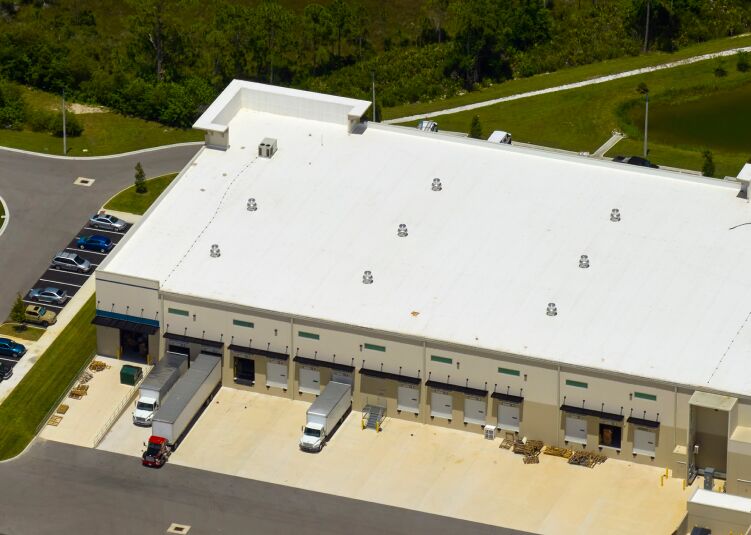
TPO roofing has become one of the most common choices for commercial buildings across Georgia. It is a single-ply membrane designed for flat and low-slope roofs and is known for its reflective surface.
One reason property owners choose TPO is its ability to reduce heat absorption. During the hot summers in Sugar Hill, that reflective surface can help lower cooling costs while protecting the roofing membrane from constant UV exposure.
TPO also creates strong watertight seams through heat welding, giving the roof excellent protection against leaks. Installation is generally more affordable than some other premium roofing systems, making it attractive for businesses trying to balance quality with cost.
Like any roofing material, installation matters. A properly installed TPO roof typically performs much better than one installed without attention to detail.
PVC roofing has earned a reputation for durability and chemical resistance. It is especially common on commercial buildings where grease, oils, or chemical exposure are concerns.
Restaurants, manufacturing facilities, commercial kitchens, and processing plants often benefit from PVC because it stands up well to substances that can damage other roofing materials.
Another advantage is its reflective surface, which helps improve energy efficiency during Georgia's warm months. The heat-welded seams also create an excellent barrier against water intrusion.
PVC generally costs more than TPO, but many property owners feel the added durability makes the investment worthwhile, particularly for specialized commercial buildings.
EPDM, often called rubber roofing, has been protecting commercial buildings for decades. It continues to be a dependable choice because of its long service life and straightforward maintenance.
One of EPDM's biggest strengths is flexibility. The material handles temperature changes well and resists cracking as the roof expands and contracts over time.
Although traditional black EPDM absorbs more heat than white roofing systems, it remains a solid option for many commercial buildings because of its proven durability and relatively low installation cost.
Routine inspections and timely repairs can help an EPDM roof remain in good condition for many years.
Metal roofing has become increasingly popular for commercial buildings that need long-term performance.
Unlike membrane roofing systems, metal roofs can last several decades when properly maintained. They also offer excellent protection against high winds, fire, and severe weather.
Many business owners appreciate the clean appearance of metal roofing, particularly for office buildings, churches, retail properties, and agricultural facilities.
The higher installation cost is often balanced by the roof's longer lifespan and lower maintenance needs. For businesses planning to remain in the same location for many years, metal roofing can be a smart long-term investment.
Modified bitumen has been used on commercial properties for many years and remains a dependable option for flat roofs.
This roofing system consists of reinforced layers that create excellent waterproof protection. It also performs well on buildings that experience regular rooftop traffic from HVAC technicians or maintenance crews.
Because of its layered construction, modified bitumen offers good puncture resistance and holds up well under demanding conditions.
While it may require occasional maintenance throughout its lifespan, many commercial property owners appreciate its consistent performance.
Built-up roofing, often called BUR, remains one of the traditional choices for commercial flat roofs.
This system combines multiple layers of roofing material with asphalt to create a thick, durable roofing assembly. The finished surface provides dependable protection against water while standing up well to foot traffic.
Although newer roofing systems have become more common, built-up roofing still performs well on many commercial buildings where durability is the top priority.
Its heavier construction means the building must be able to support the additional weight, which makes a professional evaluation important before installation.
Every commercial roofing material offers different advantages.
Rather than comparing products based only on price, it helps to consider the total cost of ownership over the life of the roof.
The roofing material itself is only one part of the equation. Installation quality plays a major role in how long any commercial roof lasts. Even premium materials can develop problems if flashing, seams, drainage, or penetrations are not installed correctly.
Roof design also matters. Buildings with multiple HVAC units, skylights, vents, or complex drainage systems may benefit from one roofing material over another.
Maintenance is another important consideration. Regular inspections allow small problems to be corrected before they become expensive repairs. Cleaning debris, checking flashing, and monitoring roof drains can significantly extend the life of a commercial roof.
Finally, consider your long-term plans for the property. If you expect to own the building for decades, investing in a longer-lasting roofing system may save money over time.
The best commercial roofing material is the one that fits your building's specific needs.
For some businesses in Sugar Hill, a reflective TPO roof may provide the ideal balance of affordability and energy efficiency. Others may benefit more from the durability of PVC or the longevity of metal roofing. Buildings with heavy rooftop equipment or frequent maintenance traffic may require an entirely different solution.
A professional roof evaluation helps identify the roofing system that offers the best value based on your building's size, structure, budget, and long-term goals.
A commercial roof is one of the largest investments you'll make in your property. Choosing the right material can improve energy efficiency, reduce repair costs, and provide dependable protection for many years.
If you're considering a commercial roof replacement or need guidance on the best roofing system for your building in Sugar Hill, GA, contact Adams & Sons Roofing. Our team can evaluate your property, explain your options, and provide a free estimate to help you make an informed decision.