If you own or manage a commercial property in the Atlanta area, your roof is one of the most significant investments on the building. Knowing what is the lifespan of a commercial roof before problems arise can mean the difference between a planned commercial roof replacement and an emergency one. In Georgia's climate, that question comes with a few important caveats, because the heat, humidity, and storm activity here can take years off a roof that might otherwise last decades.
Not all commercial roofing systems age the same way. The material your building uses plays the biggest role in how long you can expect it to perform - one reason to compare commercial roofing materials.

TPO (thermoplastic polyolefin) is one of the most popular flat roofing options for commercial buildings in the Southeast, and for good reason. It reflects UV rays and handles heat well, which matters a great deal during Atlanta's long, hot summers.
Well-installed TPO roofing typically lasts 15 to 25 years. Thicker membrane options (60 mil or 80 mil) will outperform standard 45 mil installations, especially in climates like Gwinnett County's where roof surfaces regularly absorb intense summer heat.
Modified bitumen has been a commercial roofing staple for decades. It is a multi-layer system that offers solid waterproofing performance and handles foot traffic better than most single-ply membranes.
Expected lifespan: 15 to 20 years, sometimes longer with consistent maintenance. In Georgia, the adhesive layers in some modified bitumen systems can soften under prolonged heat exposure, making proper installation technique and quality materials especially important.
Built-up roofing, sometimes called a tar-and-gravel roof, is one of the oldest and most proven commercial systems available. Multiple alternating layers of bitumen and reinforcing fabrics create a thick, durable surface.
BUR systems typically last 20 to 30 years and often outlast single-ply options when properly maintained, thanks to maintenance habits that add years to a roof's service life. The gravel surfacing also provides natural UV protection, which is a real advantage in the Atlanta area where sun exposure is significant for most of the year.

Metal is increasingly common on commercial buildings, particularly standing seam and metal panel systems. It is among the longest-lasting options available, with lifespans ranging from 30 to 45 years or more depending on the gauge and coating.
Metal holds up well against Georgia's hailstorms and wind events, though it does require attention to fasteners, seams, and roof penetrations over time to prevent leaks.
Learn more about common types of commercial roofing systems here: Types of Commercial Roofing Systems Explained: Which One Is Right for Your Property?
The Atlanta metro area and Gwinnett County experience a combination of weather conditions that are particularly demanding on commercial roofing systems.
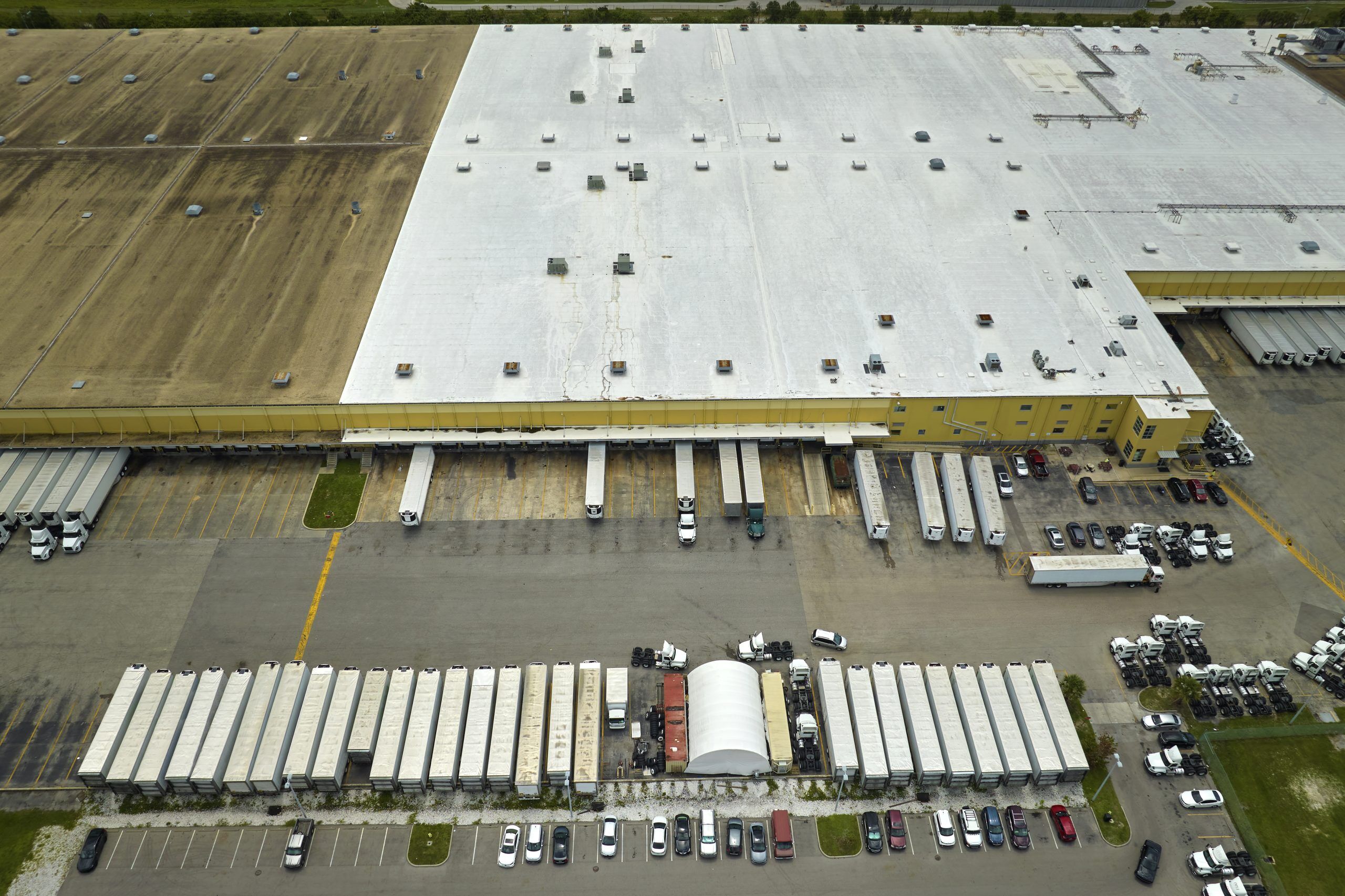
Georgia summers are long and intense. Flat and low-slope commercial roofs absorb significant heat, which accelerates the breakdown of roofing membranes over time. Thermal expansion and contraction cycles stress seams and flashings year after year.
High humidity does not just feel uncomfortable. It creates ideal conditions for mold, algae, and moisture infiltration at any weak point in the roof system. Poorly draining flat roofs are especially vulnerable to ponding water, which degrades most roofing materials faster than almost any other factor.
The Atlanta area sits in a region with active severe weather patterns, particularly in spring and early summer. Hailstorms can cause immediate punctures or invisible membrane damage that shortens roof life significantly if not addressed. Wind-driven rain during thunderstorms exploits any compromised seam or flashing long before the damage becomes visible from the inside.
Even if your roof has not hit its expected age range, watch for these indicators that it may be time for an inspection or replacement evaluation:
A single repair here and there is normal. A pattern of recurring repairs across multiple areas of the roof usually signals that the system as a whole is breaking down - one of several warning signs worth watching for.
Yes, significantly. A commercial roof that receives twice-yearly professional inspections, prompt repairs after storm events, and consistent drainage maintenance can routinely outperform its expected lifespan. The general industry guidance is to schedule inspections in the spring before storm season and in the fall before winter weather arrives.
In Georgia specifically, adding an inspection after any significant hail or wind event is a smart practice. Storm damage that goes undocumented and unrepaired tends to compound quickly, and catching it early often means the difference between a minor repair and a full replacement years ahead of schedule.
It is also worth knowing that maintaining documented service records on your commercial roof can support insurance claims if storm damage occurs down the road.
Adams & Sons Roofing has been serving commercial property owners in Sugar Hill, Gwinnett County, and the greater Atlanta area since 1987. As a GAF-certified roofing contractor with an A+ BBB rating and GARCA membership, we bring over 40 years of experience to every commercial roofing project, from routine inspections to full system replacements.
If your commercial roof is aging, showing warning signs, or has been through a recent storm, we are here to give you a straight answer about where things stand. Contact us today for a free estimate.