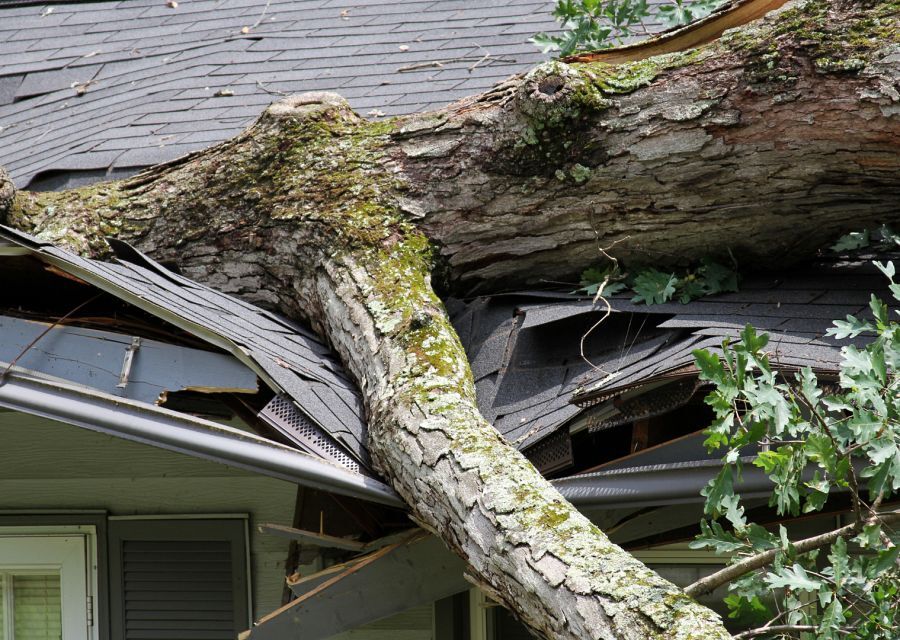
In June 2025, severe storms swept through Metro Atlanta, leaving over 150,000 residents without power and causing widespread roof and structural damage across Gwinnett County. One Gwinnett family experienced catastrophic damage when four large trees fell on their home during the storm. Events like these highlight how quickly weather-related roof damage can escalate—and why having a response plan in place is so important.
After severe weather events sweep through Georgia, property owners often find themselves dealing with roof damage. Knowing what to do if you have storm damage on your roof can save you from costly repairs down the line and help you take the right steps to protect your home. This comprehensive guide will walk you through the essential actions to take when you discover storm damage on your roof.
The first priority when you discover roof damage is ensuring your family's safety. If you notice significant damage like missing shingles, granule accumulation, exposed roof deck, or active leaks, take these immediate steps:
Never attempt to climb onto a damaged roof yourself. Even minor damage can create unstable conditions that pose serious safety risks during inspection or temporary repairs.
Once safety is secured, conduct a careful assessment from ground level to understand the scope of your roof storm damage. Strong winds, hail damage, and heavy rain can create various types of damage that require different approaches.
Look for these common signs of roof damage from your yard:
A good view of parts of your roof can often be achieved safely from ground level. This exterior evaluation helps you understand the extent of the damage and prepare for the next steps in your recovery process.
Water damage often becomes the most pressing concern after roof storm damage. Check your attic space and interior ceilings immediately to prevent further damage:
Take photographs of all interior damage for insurance claim purposes. Place buckets or tarps to collect water and prevent additional damage to your home's interior. Address active leaks immediately to minimize costly damage to your belongings and home structure.
After ensuring immediate safety and documenting damage, contacting a professional roofing contractor should be your next priority. Roofing experts provide the specialized knowledge needed to properly assess and address storm damage.
A qualified roofing contractor will conduct a thorough inspection that includes:
Professional roofers understand the types of roof storm damage that commonly occur and can spot potential issues that untrained eyes might miss. This expertise prevents major problems from developing and ensures all necessary repairs are identified.
When significant damage occurs, promptly contacting your insurance company is crucial for a successful claim. Insurance companies require proper documentation of the extent of the damage, which independent roofing contractors can provide through professional inspection reports.
Follow these essential steps when filing your insurance claim:
An insurance adjuster will evaluate necessary repairs, but having your own professional roof inspection ensures nothing is overlooked. This thorough documentation gives you peace of mind and strengthens your position during the claims process.
While waiting for professional roof repairs, implementing temporary protection measures prevents further damage to your home. These emergency steps can save you from additional costly repairs:
Remember that these are temporary solutions only. Permanent repairs require professional expertise and proper roofing materials to restore your roof's integrity and protect your home long-term.
Once you've completed the immediate response actions, focus on planning permanent repairs with your roofing company. Professional roof repairs restore your home's protection and prevent ongoing issues that could compromise your home's structural integrity.
Work with your contractor to prioritize repairs based on:
A well-maintained roof requires quality roofing materials and expert installation. Don't compromise on repair quality, as inferior work often leads to recurring problems and expensive repairs down the road.
After completing repairs, take proactive steps to minimize damage from future severe weather events. Regular maintenance and preparation can significantly reduce the impact of high winds, torrential rain, and hail damage on your roof.
Implement these preventive measures:
A proactive approach to roof maintenance extends the life of your roof and provides better protection during severe weather events. Regular inspections by professional roofers help catch minor issues before they become major problems.
Adams & Sons Roofing provides comprehensive storm damage assessment and repair services throughout Georgia. With our GAF Certification and over 40 years of experience and expertise in insurance claims assistance, our team guides you through every step of the recovery process. Contact us today for your free roof inspection and let us help restore your home's protection with quality repairs you can trust.